
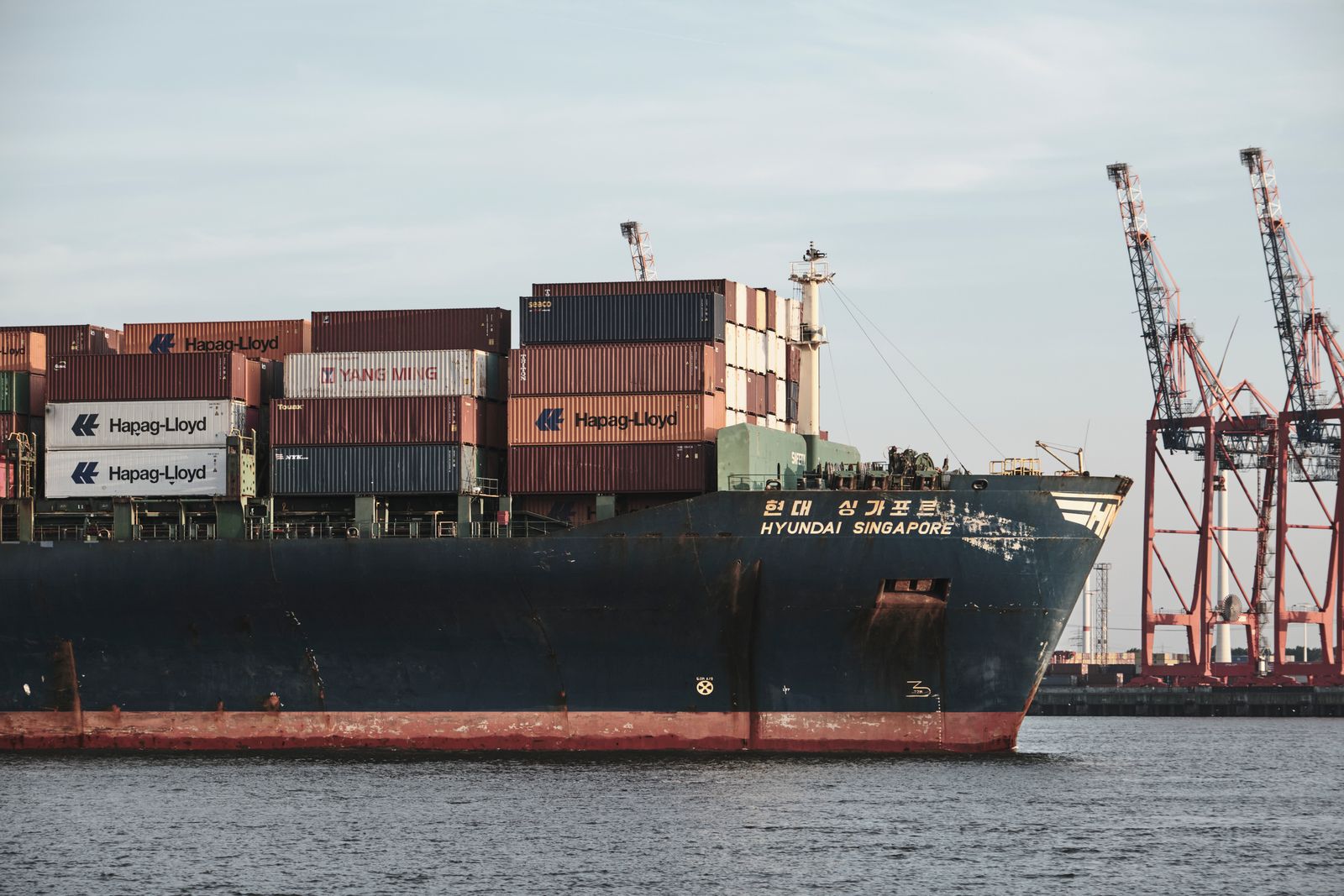
Advice about shipping between Turkey and Italy usually starts with a list of modes: sea, rail, road, air. That is helpful, but it skips the question that really shapes your costs and your choice of freight forwarder: what exactly are you moving? Forty tonnes of bagged fertiliser, a vessel-load of grain, steel coils and an oversized machine all travel on the same lane, yet they need very different handling, paperwork and partners.
This guide approaches freight forwarders for Turkey–Italy bulk cargo through scenarios. You will see how the nature of the cargo steers the choice of route and transport mode, what a realistic shipping timeline looks like, which documents tend to matter, how to compare forwarders with a simple scorecard and what to watch for in contracts. It is a planning aid, not a price list: rates and transit times change with markets, so confirm every figure with your forwarder.
Why the Turkey–Italy Lane Matters
A ShipHub guide notes that diplomatic ties between the two countries date back to 1856 and calls Italy Turkey’s fourth-largest trade partner. Both countries have long coastlines, major ports and dense industrial regions, so goods move in both directions: metals, minerals, building materials, machinery, textiles, food and agricultural products. For bulk shippers, that means there is plenty of capacity and plenty of competition, which is good news for pricing but also means quality varies between providers.
Step One: Classify Your Cargo
- Dry bulk: loose, unpackaged goods such as grain, ores, cement clinker, sand and coal, loaded by grab, conveyor or chute.
- Bagged or palletised bulk: goods packed in sacks, big bags or pallets, such as fertiliser, flour or granules. These can travel in containers, on multi-purpose vessels, by truck or by rail.
- Liquid bulk: oils, chemicals or juices carried in tankers or tank containers, with strict safety rules.
- Break-bulk: items too big or heavy for a container but not loose, such as steel coils, beams, pipes, timber and marble blocks.
- Project and heavy-lift cargo: large single units that need special planning. SeaRates, a freight platform, advertises services for bulk, break-bulk, out-of-gauge, oversized project cargo and heavy-lift loads to and from Turkey.
Five Scenarios and What They Usually Mean for Your Forwarder
Scenario 1: Grain or other loose commodity in large volumes
Typical solution: a bulk vessel, either a charter of the whole ship or a part cargo. Terminals with grain-handling equipment, silos and phytosanitary inspection facilities matter more than shipping-line schedules.
What to ask a forwarder: Do you charter or broker bulk vessels? Which Turkish and Italian terminals have you used for this commodity? How do you handle quality surveys, weighing and discrepancy claims? Who deals with plant-health and customs inspections?
Scenario 2: Bagged fertiliser or granules, a few hundred tonnes
Typical solution: containers, multi-purpose vessels or a combination with trucking. Because the goods are packaged, container shipping becomes realistic. ShipHub notes that ocean freight is the cheapest way to move large amounts of heavy goods, with full-container-load (FCL) and less-than-container-load (LCL) options.
What to ask: Can you provide moisture-proof liners? How do you handle dangerous-goods classification if the product is regulated? Which ports have regular container or ro-ro services?
Scenario 3: Steel coils, pipes or structural sections
Typical solution: break-bulk on multi-purpose vessels, or flat-rack and open-top containers for smaller lots. Lashing, dunnage and weather protection are critical, because rust claims are common.
What to ask: Who supervises loading and securing? Do you arrange surveyors? What cargo insurance is advisable, and does it cover rust and handling damage?
Scenario 4: Marble, stone or aggregates
Typical solution: a mix of break-bulk, containers and trucks. Block marble is heavy and fragile, and aggregates are low-value, so the cheapest viable mode matters.
What to ask: Do you have experience with stone? How do you protect blocks against cracking? Can you combine road and short-sea legs to reduce handling?
Scenario 5: One very heavy or oversized item
Typical solution: project-cargo handling with heavy-lift cranes, route surveys and special permits for road moves. This is specialist work.
What to ask: Do you have a project-cargo department? Can you show similar projects? Who handles permits, escorts and lifting plans?
Choosing the Transport Mode
| Mode | Best for | Notes from public sources |
|---|---|---|
| Sea (bulk vessel, multi-purpose ship, container) | Large volumes of heavy goods | ShipHub calls ocean freight the cheapest option for heavy goods, with typical Turkey–Italy transit of two to three weeks; direct short-sea services can be much quicker. |
| Ro-ro / short-sea with trailers | Palletised or packaged loads | Combines sea and road. Route-planning tool Fluent Cargo lists a container service from Aliağa to Salerno of about a day and a half, several departures a week, as an indicator. |
| Rail | Regular high-volume flows | ShipHub says rail is only slightly more expensive than sea, more environmentally friendly and takes around 10 to 15 days. |
| Road | Smaller lots, final delivery, urgent shipments | Flexible door-to-door, but cost per tonne rises for long distances and heavy cargo. |
| Air | Samples and urgent high-value items | Rarely suitable for true bulk. |
Route-planning tools give estimates, not guarantees. Actual transit depends on port congestion, schedules, weather and customs.
Ports: Matching Terminal to Cargo
ShipHub lists Mersin and Istanbul’s Haydarpaşa among Turkish seaports, and Genoa, Trieste and Gioia Tauro among major Italian cargo ports. Other sources point to Aliağa (Izmir) as an important industrial and container hub. Italy also has major bulk and general-cargo ports along the Adriatic, Tyrrhenian and Ionian coasts. Instead of choosing a port by name recognition, check:
- Does the terminal handle your commodity (grab cranes, silos, covered storage)?
- What are the draught limits for your vessel?
- How good are inland connections by rail and road to your final destination?
- What are storage rules and free time?
- How congested is the port at the time you plan to ship?
A Realistic Timeline for a Bulk Shipment
- T minus 8 to 6 weeks: Define and quote. Fix your cargo specification, volume and target dates. Request quotes from at least three forwarders.
- T minus 6 to 4 weeks: Select and contract. Confirm Incoterms, insurance, vessel or equipment, and payment terms in writing.
- T minus 4 to 2 weeks: Documents and bookings. Prepare commercial invoices, packing information and certificates. Book the vessel, slot or trucks and confirm terminal windows.
- T minus 2 to 1 weeks: Inland logistics. Arrange transport to the load port, weighing and pre-shipment inspection.
- Loading week. Supervise loading, check quantities and condition, obtain the transport document and photos.
- Voyage or transit. Track the shipment and share updates with the consignee. Prepare import declarations before arrival.
- Arrival. File customs entries, pay duties and taxes, discharge, inspect and deliver.
- After delivery. Reconcile invoices against quotes, file any claims promptly and review performance.
Smaller shipments by container or truck move through the same steps in less time. Whole-vessel charters need more lead time.
Paperwork That Often Decides Whether Cargo Moves Smoothly
- Commercial invoice and packing list or cargo declaration
- Bill of lading, road consignment note (CMR) or rail consignment note
- Certificate of origin or movement certificates where needed
- Customs declarations in Turkey and Italy
- Plant-health, veterinary or quality certificates for food and agricultural cargo
- Safety data sheets and dangerous-goods documents for regulated substances
- Weight certificates and survey reports
- Insurance certificate
Turkey and the European Union have a customs union that covers many industrial goods, and it affects the paperwork and duties for them. Agricultural products and certain sensitive categories are treated differently, so have your forwarder or customs broker confirm what applies to your HS code. Do not rely on general guides for tariff classification.
Cost Drivers You Can Control
- Booking early and avoiding peak seasons such as harvest rushes for grain.
- Consolidating shipments into larger lots when possible.
- Choosing the right Incoterm, so that you do not pay for services you cannot control.
- Avoiding port delays that trigger demurrage, detention and storage charges.
- Getting documents right first time, because corrections cost money and time.
- Comparing all-in quotes and not just base freight.
A Simple Scorecard for Comparing Forwarders
Rate each forwarder from 1 to 5 on these criteria and compare the totals.
- Cargo-specific experience: proven handling of your commodity on this lane.
- Network: reliable agents or offices near your Turkish and Italian ports.
- Transparency: itemised quotes, clear validity dates and no vague “other charges.”
- Customs capability: in-house or trusted brokerage for both countries.
- Risk management: insurance advice, claims process and safety culture.
- Communication: named contacts, fast replies and proactive updates.
- Financial standing and references: verifiable company details and customer references.
- Flexibility: ability to switch mode, port or schedule when something changes.
Where to Look for Forwarders
Freight platforms such as FWFreight list forwarders in both countries, including companies based in Istanbul and in Italian cities such as Milan. Marketplaces like Eurosender let you compare services for pallets and bulk shipments, and global carriers and logistics companies offer end-to-end solutions. Directories are a starting point only: a listing is not an endorsement. Combine them with referrals from other exporters, chambers of commerce and industry associations.
Contract Points Worth Negotiating
- Who is the actual carrier, and what are the liability limits?
- What happens if the vessel is delayed or cancelled?
- How are demurrage and detention charges allocated?
- What are the payment terms, and when are invoices due?
- How are claims notified and handled, and within what time limits?
- What are the data and document-sharing arrangements?
- What happens in case of sanctions, strikes or force majeure events?
Warning Signs
- A quote far below the market with no clear explanation.
- Pressure to pay in full in advance, especially to a personal account.
- No verifiable address, licence or customer references.
- Evasive answers about the carrier or the terminal.
- Resistance to written terms.
Frequently Asked Questions
Which mode is best for bulk cargo from Turkey to Italy?
For large volumes of heavy goods, sea freight is usually the most economical. Smaller or packaged lots may suit short-sea, rail or road. The best choice depends on cargo type, urgency and the port connections at each end.
How long does it take?
One guide cites two to three weeks for ocean freight in general, and 10 to 15 days by rail, while direct short-sea services can be faster. Ask your forwarder for a quote specific to your route and date.
Do I need a customs broker?
You need someone authorised to lodge declarations in each country. Many forwarders handle this or work with licensed brokers.
Is cargo insurance necessary?
Carrier liability is limited, so for valuable or sensitive goods, insurance is strongly advisable.
Can small exporters use the same forwarders as large ones?
Often yes, particularly through platforms and consolidators, though minimums and rates may differ.
Final Thoughts
The right forwarder for Turkey–Italy bulk cargo is the one who understands your cargo, not simply the one with the lowest rate on a spreadsheet. Start by classifying what you ship, match it to the transport mode and port, build a timeline backward from your delivery date and score your candidates on experience, transparency and communication. A well-chosen forwarder saves far more than a small difference in freight price.
Disclaimer: This article is general information, not logistics, customs, legal or financial advice. Rates, transit times, routes and regulations change frequently. Verify everything with qualified professionals and official authorities before you ship.

Lois Snyder is a versatile writer with experience across multiple domains. She crafts engaging and informative content, delivering valuable insights and captivating readers with her expertise and passion for diverse topics.