
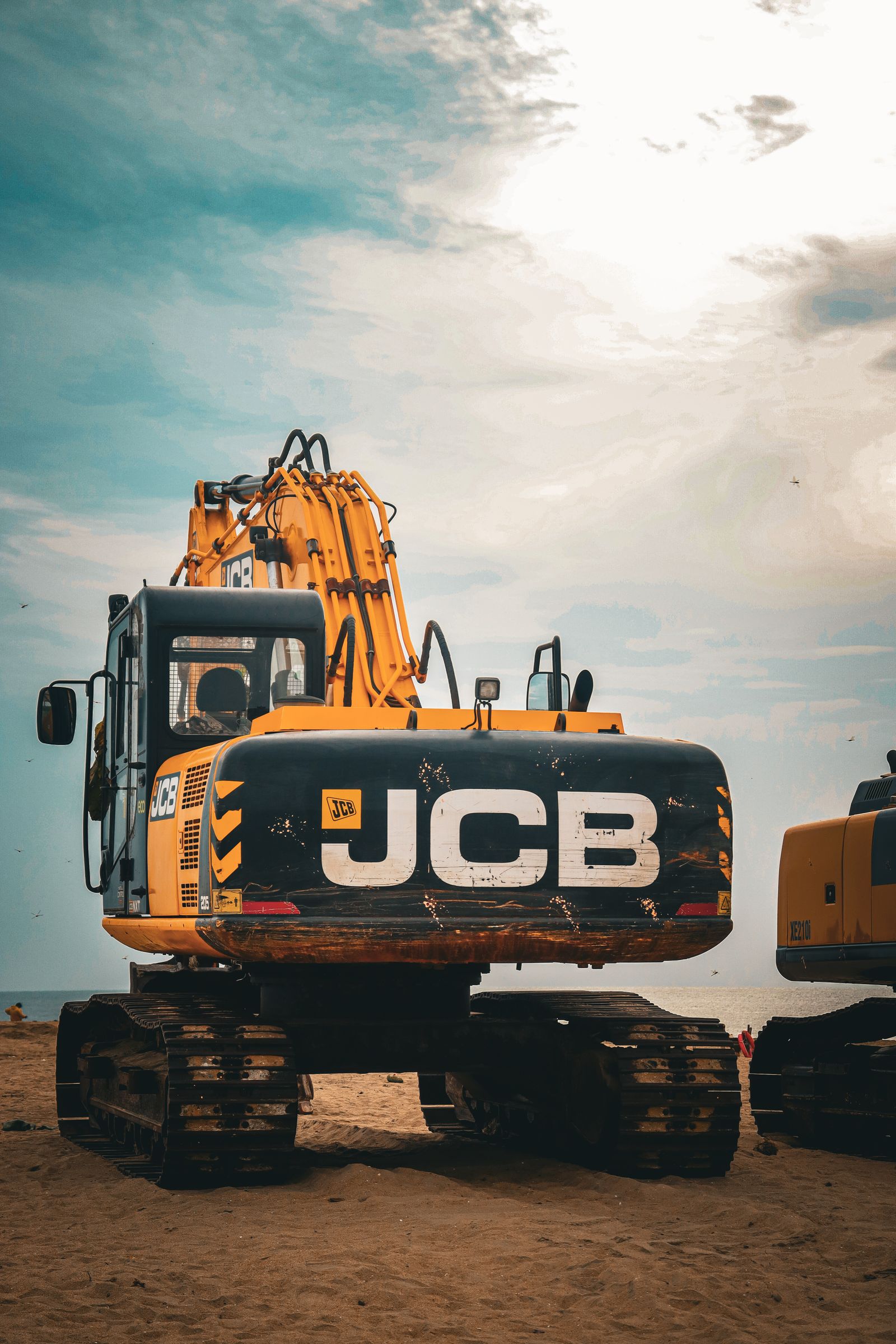
If you are building a house, adding an extension, putting in a garage slab or laying the base for a garden office, the first physical job is the same: you have to move earth. Excavation is the stage where a project becomes real, and it is also the stage where homeowners are most likely to underestimate cost, time and risk.
This guide looks at how to excavate a construction site from a homeowner’s point of view. Instead of a technical manual for crews, it helps you decide what you can safely do yourself, what to hand to a professional, which questions to ask before anyone starts digging, and what basic safety knowledge you need to supervise the work sensibly. It draws on US occupational safety guidance, which is widely used as a reference, but the rules in your country, state or council will apply to your project.
Safety note: Trench and excavation collapses kill workers every year. OSHA, the US workplace safety regulator, calls cave-ins the greatest risk in trenching. Nothing in this article replaces the advice of a qualified engineer, your local regulations or your contractor’s safety plan.
Start With the Right Question: What Are You Digging For?
“Excavation” covers very different jobs. OSHA defines it broadly as any man-made cut, cavity, trench or depression in the earth formed by earth removal, from a home foundation to a motorway. The job type determines the difficulty.
| Project | Typical depth | DIY realistic? |
|---|---|---|
| Garden shed or summerhouse base | Shallow, often under 300 mm | Usually yes |
| Patio, driveway or path sub-base | Shallow to moderate | Often yes, with a hired mini digger or by hand |
| Garden room or garage slab | Moderate | Sometimes, with advice |
| Strip or trench footings for an extension | Often around 1 m or deeper, depending on soil and local rules | Hire a pro, or at least get engineer input |
| Full house foundation or basement | Deep, with large volumes | No; use a qualified contractor |
| Utility trenches (water, drainage, power) | Varies | Depends; services work often needs a licensed trade |
| Swimming pool | Deep, wide | No |
The depths above are indicative only. Your drawings, soil conditions and local building rules decide the actual figures.
The Five Checks Before Anyone Touches the Ground
1. What is buried there?
Utilities are the number one hazard. In the US, the 811 service notifies utility owners so they can mark underground lines before you dig, and OSHA’s resource page encourages people to “call 811 before you dig.” In the UK and many other countries, you request plans from utility companies or use an asset-search service, then confirm positions with a cable locator and hand-dug trial holes. Do not assume that a cable or pipe is deeper than it appears, and do not rely on guesswork. If you find an unexpected pipe, cable or tank, stop and call the owner.
2. What does the ground tell you?
Soil decides how steep a bank can be and whether it needs support. OSHA’s framework sorts soil into stable rock and Types A, B and C, with Type C the weakest, for example sandy, gravelly or saturated ground. In a small project you may not commission a formal survey, but you should at least look at what your trial holes reveal: clay, sand, loose fill, groundwater or old foundations. Poor ground can change your foundation design and cost.
3. Which permits and approvals apply?
Building permits, planning conditions, road-opening licences, tree preservation orders and party-wall notices can all apply. If neighbours’ buildings are close, find out whether you must notify them or get an engineer to design support.
4. Where will the soil go?
Soil expands when dug, and a surprising volume can build up quickly. Decide what you will keep for backfill or landscaping and what you must remove. Disposal sites often charge by weight, and contaminated or mixed soil costs more to dispose of.
5. Who is responsible for safety?
If you hire people, someone must be accountable. Under OSHA rules in the US, an employer must have a competent person who can recognise hazards and has the authority to stop work. Even if you are a homeowner, you can ask a contractor who their competent person is and how they inspect the excavation.
Dig Yourself or Hire a Contractor?
When DIY makes sense
- The dig is shallow, small and away from buildings and services.
- You have checked for utilities and know the soil.
- You can hire a suitable machine with training or an operator.
- No one needs to work in a deep trench.
When to hire a professional
- The excavation is deeper than shoulder height or close to existing structures.
- The ground is wet, loose or unknown.
- The work involves foundations, basements, retaining walls or drainage connections.
- You need to remove large volumes of spoil.
- You are unsure about utilities.
A skilled operator also works faster and leaves a cleaner formation level, which saves money on concrete and backfill. Hiring is not just about avoiding danger. It can be cheaper in the long run.
Understanding the Safety Rules That Shape Professional Work
US regulations offer a useful picture of what good practice looks like, even if you live elsewhere.
- Protective systems at 5 feet. Fact sheets from OSHA and university safety programmes say trenches 5 feet (1.5 m) deep or greater need a protective system unless the excavation is entirely in stable rock. For shallower trenches, a competent person decides whether protection is needed.
- Three ways to protect a trench. OSHA’s guidance is to slope or bench the walls, shore them with supports or shield them with trench boxes. Benching is not allowed in Type C soil.
- A way out. Trench excavations 4 feet (1.22 m) or deeper need a safe means of exit such as a ladder, steps or a ramp.
- Daily inspections. A competent person must inspect the site daily and as often as needed during the work to check for hazards.
- Keep materials back. OSHA advises keeping materials and equipment away from the trench edge, and never entering a trench that has not been properly inspected.
- Look for water and bad air. Standing water and atmospheric hazards are hazards in their own right.
A special note about house foundations
The National Association of Home Builders explains that in 1995 federal OSHA granted the home-building industry some relief from the excavation requirements during residential basement and foundation excavation, under conditions such as planning the work so that employees spend as little time in the excavation as possible. That does not mean foundation trenches are safe. It reflects a specific, conditional exemption, and state plans or local rules may differ. If you are a homeowner hiring a builder, ask how they manage trench safety on your site.
Choosing the Right Machine
- Mini excavator (about 1 to 8 tonnes): best for gardens, extensions and tight access. Easy to transport on a trailer and gentle on lawns, especially on tracks with rubber pads.
- Backhoe loader: useful when you need to dig and load in one machine.
- Midi and larger excavators: for full foundations and bulk digging.
- Skid steer or small dumper: for moving soil around the site.
- Plate compactor: needed for compacting sub-bases and backfill in layers.
Hire shops often provide operators or training. Never lend or hire a machine to someone untrained. Keep children and pets away from the working area and never stand within the machine’s swing radius.
A Practical Digging Sequence for a Small Foundation
- Mark out the footprint using pegs and string, and double-check measurements and squareness.
- Strip the topsoil and stack it separately for reuse in the garden.
- Dig in stages, checking depth against a laser level or a marked staff.
- Keep sides stable. Slope the sides where you can, or ask your contractor how they will support deeper trenches.
- Place spoil away from the edge, so that it does not add load to the walls or fall back in.
- Trim the base by hand, taking care not to over-dig. A flat, undisturbed bottom is better than a deep hole backfilled with loose soil.
- Get it inspected before concrete is placed, if building control or your engineer requires it.
- Pour or build promptly. Open trenches deteriorate with rain and time.
Water: The Quiet Project Wrecker
Rain can undo a day’s work. Soft ground slumps, trenches fill and machines get bogged down. Plan for drainage: direct surface runoff away from the excavation, use a sump pump at a low point if water collects and cover the dig if heavy rain is forecast. If the water table is high, talk to your engineer before you start. One state safety agency recommends asking early whether a soil analysis has been done to help decide the type of shoring or angle of repose.
What Does It Cost?
Excavation prices vary widely by region, access and soil, so any figure you see online may not fit your project. Instead of hunting for an average, understand the cost drivers:
- Volume of soil: length by width by depth, plus swell.
- Disposal: often the largest item.
- Machine and operator hire, including transport on and off site.
- Ground conditions: rock, clay, high water or contamination push costs up.
- Access: if a machine cannot get through your garden, hand digging or small equipment may be needed.
- Safety measures: shoring, trench boxes and pumps.
- Services work: diverting or protecting utilities.
- Weather delays.
Get at least three written quotes that show disposal, machine time and extras separately, and add a contingency, because ground is full of surprises.
Mistakes Homeowners Make
- Digging before locating services.
- Entering a deep trench “just to check something.”
- Stacking spoil right at the edge.
- Skipping a fence or barrier around an open hole.
- Ignoring neighbours until a problem arises.
- Choosing the cheapest quote without checking insurance or experience.
- Failing to plan for topsoil storage.
- Leaving the excavation open over a weekend with no protection.
Questions to Ask a Contractor
- Do you hold public liability insurance, and can I see the certificate?
- Who is your competent person on site, and how do you inspect trenches?
- How will you locate and protect buried services?
- What will you do with the spoil?
- How do you handle rain and groundwater?
- What happens if you hit rock or soft ground?
- Will you provide a written price with a clear scope?
- How long will the dig take and what is the programme?
Frequently Asked Questions
How deep can I dig without a protective system?
Under US federal guidance, trenches of 5 feet or more generally need a protective system, but a competent person may require protection in shallower ones if conditions are poor. Your local rules may differ. As a rule of thumb, never work in a trench that could bury you.
Do I need to call before I dig?
Yes. In the US, call 811. Elsewhere, use the equivalent plan-request or asset-search service for your area.
Can I use a mini digger myself?
Many hire shops will rent to non-professionals, often with a short briefing. Training matters, and you remain responsible for safety and for any damage.
How do I know if my excavation is safe?
Look for cracks near the edge, bulging walls, water seepage and loose soil. If you see any, stay out and get advice.
What should I do with the soil?
Keep clean topsoil for the garden, reuse suitable subsoil for backfill and arrange removal of the rest through a licensed haulier or skip service.
Final Thoughts
Excavation is simple to describe and unforgiving in practice. For a shallow garden job, careful planning and the right equipment may be enough. For foundations and anything deep, the combination of buried services, unstable soil, water and heavy machinery makes professional help the smart choice. Whichever route you take, check for services, understand your soil, keep spoil and people away from the edge and make sure someone is responsible for daily inspections.
Disclaimer: This article is general information and not engineering, legal or safety advice. Regulations differ by country and region and change over time. Always follow local rules and the advice of qualified professionals.

Lois Snyder is a versatile writer with experience across multiple domains. She crafts engaging and informative content, delivering valuable insights and captivating readers with her expertise and passion for diverse topics.