
A UK heatwave can dry pots, hanging baskets, lawns and exposed borders quickly, but watering every plant every day is not always the best response. The right approach depends on the plant, soil, container size, wind, recent rainfall and whether roots are established. A mature shrub planted in the ground may cope with a dry spell far better than a newly planted perennial in a small pot. Watering too lightly can encourage roots to remain near the surface, while frequent unnecessary watering wastes supplies and may keep some plants too wet. The aim is to get moisture to the root zone, prioritise plants that genuinely need help and reduce evaporation. Check the soil before watering rather than relying only on a hot afternoon or drooping leaves.
The best time of day to water
Early morning is usually the most efficient time to water during hot weather. The soil is cooler, evaporation is lower and plants have access to moisture as temperatures rise. Evening watering can also be useful, particularly when morning watering is not practical, but avoid routinely wetting foliage late at night because prolonged dampness may encourage fungal problems. Water at the base of the plant rather than spraying leaves. Avoid watering in the hottest part of the afternoon, when a larger share may evaporate before reaching the roots. If a container plant is severely wilted, it may need attention immediately rather than waiting for a perfect time, but make sure water can drain freely and do not leave the pot standing in water for long periods.
Water deeply instead of giving frequent small splashes
For established plants in beds and borders, a thorough watering during a genuine dry spell is generally more useful than repeated light sprinkling. Apply water slowly so it can soak into the soil instead of running across a dry or compacted surface. The RHS advises checking that moisture reaches around 15 centimetres into the soil when watering borders. A shallow splash may wet only the surface and encourage shallow roots. Direct water around the root area, taking care not to wash soil away from stems. The exact amount depends on soil type and plant needs: sandy soil drains quickly, while clay holds water for longer. Check below the surface before repeating the process.
Which plants need priority during extreme heat?
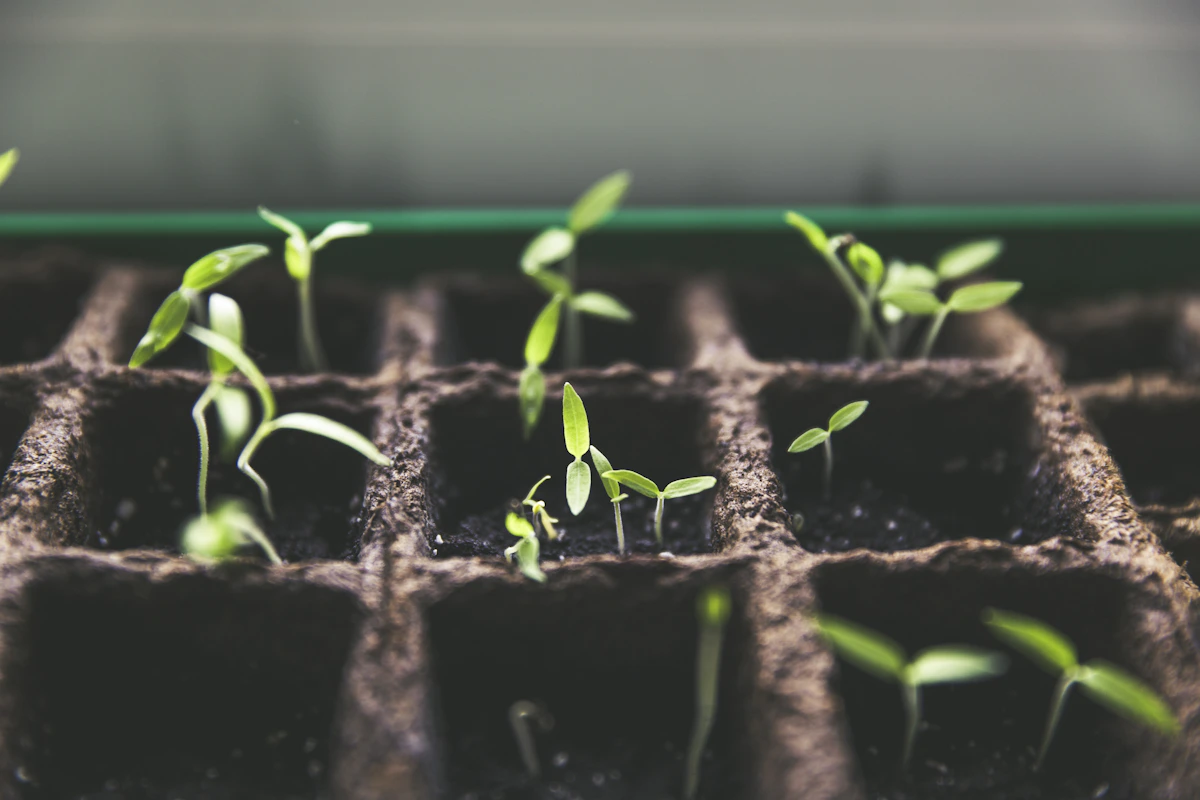
Newly planted trees, shrubs and perennials often need more attention because their roots have not spread into surrounding soil. Plants in pots and hanging baskets dry out faster because they have a limited volume of compost and are exposed to warm air on all sides. Seedlings, young vegetables and plants in greenhouses can also be vulnerable. Established drought-tolerant plants may need little additional water once settled, while thirsty crops such as leafy vegetables may need regular checks. Prioritise plants showing persistent stress early in the morning, not just temporary midday drooping. If water is restricted, focus on valuable or vulnerable plants rather than trying to keep every patch of lawn perfectly green.
How to water pots, containers and hanging baskets
Check containers daily during very hot, windy weather, because small pots can dry rapidly. Push a finger into the compost to assess moisture below the surface. Water slowly until excess begins to drain from the base, then allow the pot to drain rather than leaving roots submerged. Very dry compost can become water-repellent, so apply water in stages and give it time to absorb. Grouping pots together in a lightly shaded position can reduce wind exposure and slow moisture loss. Move sensitive containers away from scorching afternoon sun if the plant tolerates the change. A saucer can catch some water, but do not let a plant sit in stagnant water for longer than its needs.
Protect soil with mulch and shade
Mulch helps conserve moisture by reducing evaporation from the soil surface and suppressing competing weeds. Apply an appropriate organic mulch around established plants, leaving a small gap around stems and trunks to reduce the risk of rot. A layer around five centimetres is commonly recommended for many garden situations, but follow plant-specific advice and avoid burying crowns. Temporary shade can protect young or heat-sensitive plants during the hottest period. Use shade cloth or move containers where practical, while maintaining enough light and airflow. Weeding also matters because weeds compete with garden plants for water. Do not dig deeply around drought-stressed plants, as disturbing roots can add stress.
Make better use of rainwater and household water
Collect rainwater in a water butt and use it on suitable plants during dry periods. Rainwater is especially useful for many acid-loving plants that may be sensitive to hard tap water. Use a watering can when possible because it allows accurate application at the root zone. The RHS notes that greywater from activities such as washing or bathing may be used on ornamental plants when rainwater is exhausted, but it should be used carefully. Avoid water containing bleach, disinfectants, strong cleaning chemicals or excessive salts, and do not use unsuitable greywater on edible crops. Follow local water-company guidance and any restrictions that apply during drought conditions.
What about lawns during a heatwave?
A lawn turning brown during a dry spell is not automatically dead. Many established grass lawns become dormant and can recover when rainfall returns. Regularly watering a large lawn can consume considerable water, so the RHS advises allowing lawns to go brown rather than treating colour change as an emergency. Avoid close mowing during hot, dry conditions because longer grass shades the soil and helps protect the crown. Raise the mower cutting height and reduce foot traffic on stressed turf. Newly laid turf is different: it needs careful watering while roots establish, so follow the supplier’s instructions. If you decide to water an established lawn, do so thoroughly and infrequently rather than using short daily sprays.
Greenhouse and vegetable garden care
Greenhouses can become much hotter than the outdoor air, so ventilate safely by opening doors and vents when appropriate. Shade netting can reduce intense sunlight, while water trays may help maintain humidity for certain crops but should not replace watering the root zone. Check grow bags and raised beds because their compost volume may be limited. Vegetables in active growth or producing fruit can need consistent moisture; irregular watering may contribute to problems such as blossom-end rot in tomatoes. Water the compost rather than the foliage, and use mulch where suitable. Do not overwater plants that are wilting because of heat if their compost is already wet; root damage can look similar to drought stress.
Avoid common heatwave watering mistakes
Do not assume that every drooping plant needs water. Some plants temporarily droop in strong midday sun and recover in the evening. Check the soil first. Do not pour large quantities onto a hard, dry surface in one rush, because water may run off instead of soaking in. Avoid frequent shallow sprinkling, watering foliage in strong sunshine, and leaving containers permanently waterlogged. Do not use water from a softener if it contains unsuitable levels of salts. Avoid fertilising severely drought-stressed plants unless a product label or specialist advice says otherwise, because feeding does not solve water stress and can add pressure to roots. If a hosepipe restriction is in force, follow the water company’s rules and permitted exemptions.
Check local water restrictions before using a hose
Water companies can introduce temporary restrictions during prolonged dry weather. The exact rules and exemptions depend on the company’s notice and the type of use. Before using a hosepipe, sprinkler or irrigation system, check the current notice for your address or water supplier. Do not assume that a rule in one region applies across the whole UK. A watering can may be a more controlled way to direct water to vulnerable plants, but you should still follow any applicable restriction. The RHS provides gardening guidance for conserving water, while your water company is the authority for local restrictions and permitted exemptions.
Plan a garden that copes better with dry spells
Long-term garden design can reduce the amount of emergency watering needed. Choose plants suited to the local soil, aspect and rainfall, and group plants with similar water needs. Improve soil structure with appropriate organic matter and keep bare soil covered with mulch where suitable. Establish new plants during cooler, wetter periods when possible so their roots have time to spread before summer. Consider rainwater storage and efficient watering equipment when planning beds and containers. A drought-resilient garden is not a garden that never needs water; it is one designed to use water carefully and tolerate short periods of stress.
For further advice, consult the RHS watering guide, its heatwave water-saving recommendations and the guidance issued by your local water company.
Frequently Asked Questions
Should I water plants every day in a heatwave?
Not necessarily. Check the soil and the plant’s needs. Containers and newly planted specimens may need frequent checks, while established borders often benefit from deeper, less frequent watering.
What is the best time to water a garden?
Early morning is generally best because evaporation is lower and plants can use the water during the day. Evening can be an alternative.
Should I water my lawn when it turns brown?
Established lawns often become dormant and recover after rain. Avoid wasting large amounts of water to keep grass green during a drought.
Is rainwater better than tap water?
Rainwater is useful for many plants, particularly some acid-loving species. Collect it safely in a water butt and use it where appropriate.
Can I use bath water on plants?
Some greywater can be used carefully on ornamental plants, but avoid water containing bleach, strong cleaners or unsuitable chemicals. Follow RHS guidance.
Conclusion
Successful heatwave watering is about reaching roots, prioritising vulnerable plants and conserving water. Check soil moisture, water at an efficient time, mulch where appropriate and follow local restrictions. A garden does not need to be kept artificially lush through every dry spell.

Lois Snyder is a versatile writer with experience across multiple domains. She crafts engaging and informative content, delivering valuable insights and captivating readers with her expertise and passion for diverse topics.