
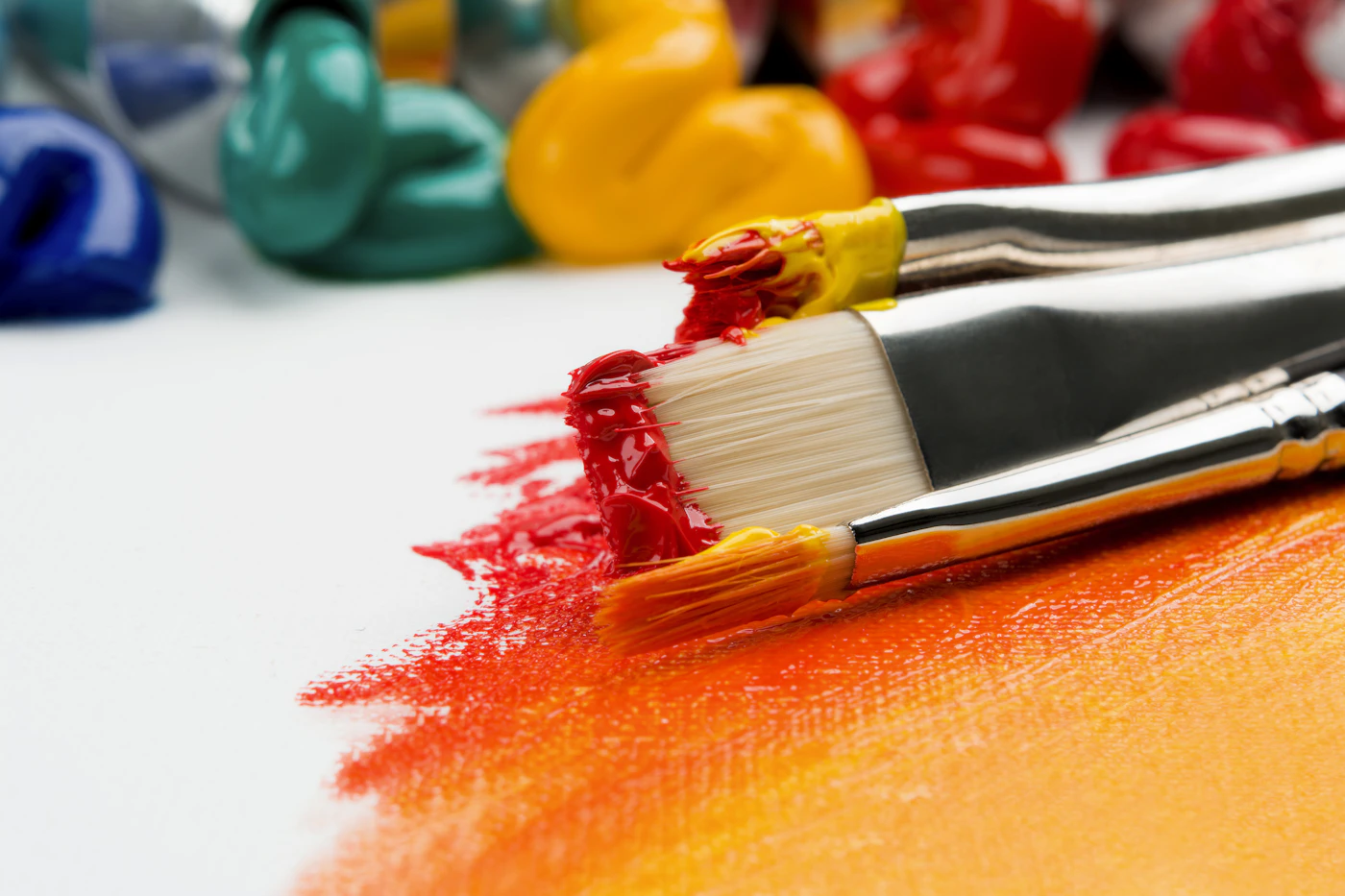
Acrylic paint is popular because it dries relatively quickly, cleans up with water while wet, and works on many properly prepared surfaces. However, the answer to how long does acrylic paint take to dry depends on the paint formula, layer thickness, surface, temperature, humidity, and airflow. A thin brushstroke may feel dry in minutes, while a heavy application or textured layer can remain soft much longer.
It is also important to distinguish between paint that is dry to the touch and paint that has developed a durable film. Touch-dry does not automatically mean ready for heavy handling, varnishing, or use.
Typical Acrylic Paint Drying Times
For many artist-grade acrylic paints, a thin layer becomes touch-dry in roughly 10 to 30 minutes. Some products take longer, and thick applications can require an hour or more. Winsor & Newton, for example, states that thin Galeria Acrylic films may dry in 10 to 20 minutes, while thicker films can take an hour or longer. Its Professional Acrylic thin films are typically around 20 to 30 minutes, with thicker films taking an hour or two.
These are product-specific guide times, not guarantees. Always check the label or manufacturer’s technical information for the exact paint you are using.
Drying time versus curing time
Drying describes the loss of water from the paint film and the point at which the surface no longer feels wet. Curing or film development refers to the paint developing its final physical properties, including adhesion and resistance. A thin layer may feel dry quickly but still need more time before it is exposed to abrasion, moisture, or a protective coating.
What Affects Acrylic Paint Drying Time?
1. Thickness of the paint layer
Thickness is one of the most important variables. A thin, even coat exposes more surface area relative to its volume, allowing water to evaporate more readily. Thick impasto applications, heavy texture paste, and large blobs of paint can develop a dry surface skin while moisture remains underneath.
2. Temperature
Moderate room temperatures generally support predictable drying. Cold conditions slow evaporation and can interfere with the formation of a sound acrylic film. Excessive heat is not a safe shortcut: a hair dryer held too close can cause uneven drying, skinning, cracking, or other defects.
3. Humidity
High relative humidity slows the evaporation of water from acrylic paint. A damp room, poorly ventilated studio, or rainy period can therefore extend drying times. In a dry environment, paint may dry faster, sometimes leaving less time for blending.
4. Airflow and ventilation
Gentle room ventilation can help moisture disperse. Strong direct airflow, however, may dry the surface unevenly. Aim for a comfortable, stable environment rather than placing the artwork directly in front of a fan or heater.
5. Surface absorbency
Porous, absorbent surfaces can draw water away from the paint and often make it feel dry sooner. A sealed or very smooth surface may allow the paint to remain workable for longer. Proper surface preparation is essential for adhesion and long-term stability.
6. Paint formulation and additives
Heavy-body, fluid, open, and student-grade acrylics can behave differently. Retarders and slow-drying mediums extend working time, while some additives alter flow or texture. Follow the manufacturer’s mixing instructions rather than adding large amounts of water or combining several additives without guidance.
How Long Should You Wait Between Coats?
For ordinary thin acrylic layers, artists may be able to apply another coat after the first is touch-dry, often within 10 to 30 minutes. But the correct interval depends on the product and the thickness of the application. If the first layer feels cool, tacky, soft, or easily disturbed, wait longer.
When painting walls or furniture with acrylic or water-based coatings, follow the manufacturer’s stated recoat time. Decorative artist acrylics and architectural paints are not interchangeable, and their technical instructions can differ substantially.
How to Make Acrylic Paint Dry More Predictably
- Apply several thin layers instead of one unnecessarily thick coat.
- Work in a room with stable, moderate temperature and humidity.
- Use a properly prepared surface suitable for the paint.
- Allow gentle air circulation without directing a strong fan at the artwork.
- Avoid adding excess water, which can weaken the paint film.
- Use a retarder only when you want more working time, following the product instructions.
Do not use intense heat to force a thick layer to dry. The surface can harden while the interior remains soft, creating problems later.
How to Tell Whether Acrylic Paint Is Dry
Look for a uniform appearance and gently assess an inconspicuous edge with a clean fingertip. The surface should not feel tacky or transfer colour. Avoid pressing, scratching, or rubbing a finished painting to test it. For thick work, allow substantially more time than the surface appearance suggests.
Common Acrylic Drying Problems
Paint remains sticky
Possible causes include a thick layer, high humidity, an incompatible medium, or a surface that has not been prepared correctly. Move the work to a stable environment and allow more time.
Paint cracks or wrinkles
A thick layer may form a skin before the lower material has dried. Applying heavy paint over a flexible or unsuitable surface can also contribute to defects. Use thinner layers and compatible materials.
Colours look different after drying
Some acrylic colours become darker or more transparent as the water evaporates and the binder film clears. Test mixtures on the same surface before committing to a large piece.
Frequently Asked Questions
Can acrylic paint dry in 10 minutes?
Yes. Some thin applications dry to the touch in about 10 minutes, but thicker layers and different formulas take longer.
Can I apply a second coat after 30 minutes?
Often, if the first coat is thin and fully touch-dry. Follow the paint manufacturer’s recoat guidance and wait longer if the layer remains tacky or soft.
Does acrylic paint dry faster in sunlight?
Heat can speed water evaporation, but direct sunlight may create uneven drying or overheat the surface. A stable indoor environment is usually safer.
How long before I can varnish an acrylic painting?
Follow the varnish and paint manufacturers’ instructions. Thick paintings need much longer than thin layers, and touch-dry status alone is not enough to establish readiness.
Does humidity affect acrylic paint?
Yes. High humidity slows evaporation and can extend the time the paint remains wet or tacky.
Conclusion
So, how long does acrylic paint take to dry? Thin layers commonly become touch-dry in around 10 to 30 minutes, while thick applications may take an hour or considerably longer. Temperature, humidity, airflow, surface absorbency, and paint formulation all matter. For a dependable result, apply sensible layer thicknesses, follow the product instructions, and allow extra time before handling or sealing the finished work.

Lois Snyder is a versatile writer with experience across multiple domains. She crafts engaging and informative content, delivering valuable insights and captivating readers with her expertise and passion for diverse topics.